







Search Results for: Fed rate cut

Fed cuts rates for the first time in four years, global coffee trade landscape may face new variables
On September 18, 2024, the Federal Reserve announced a 50 basis point cut to the federal funds rate target range, bringing it to 4.75%-5.00%. This was the first rate cut since March 2020, marking a shift in U.S. monetary policy from tightening to easing. The move is expected to stimulate global economic recovery, lower financing costs, and have multiple effects on the coffee industry. Meanwhile, Brazil's central bank announced a rate hike of 0.25 percentage points the same day; combined with ongoing drought that has reduced coffee production, as well as a wave of stockpiling ahead of the EU Deforestation Regulation (EUDR) taking effect at the end of the year, Brazil's coffee exports have performed strongly, though the price outlook remains uncertain. This article will examine how these factors work together to affect the global coffee market. [more…]
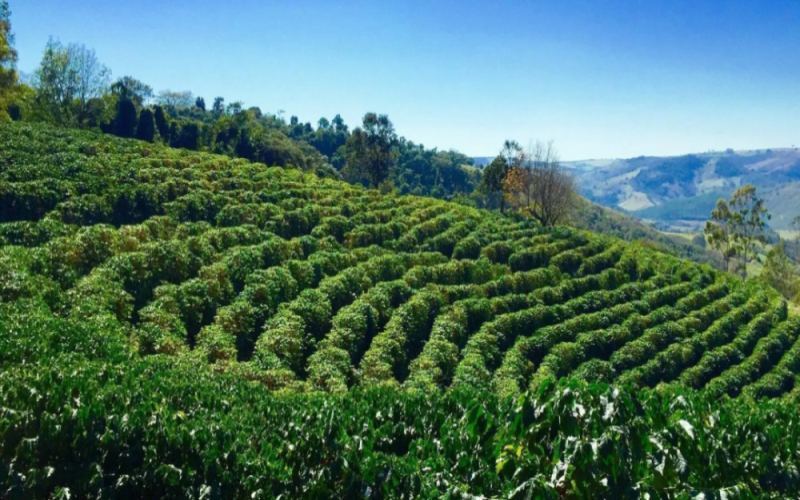
Global supply tightness combined with a weakening dollar keeps coffee bean prices climbing
The international coffee market has recently experienced a significant rally, with prices for both Robusta and Arabica rising. The factors driving this surge are complex: Brazil's coffee-growing regions continue to suffer from drought, and logistics delays at the Port of Santos occur frequently; the US dollar index has come under downward pressure due to rate cut expectations, and the Brazilian real has strengthened accordingly; Vietnam's Robusta supply is tight, and local green bean purchase prices have repeatedly hit new highs. At the same time, the USDA forecasts that global coffee production in the new year will increase by 4.2% year-on-year, but the trends among different varieties are clearly divergent. This article will review the supply and demand dynamics and price logic of major producing regions to help readers grasp the current pulse of the coffee market. [more…]
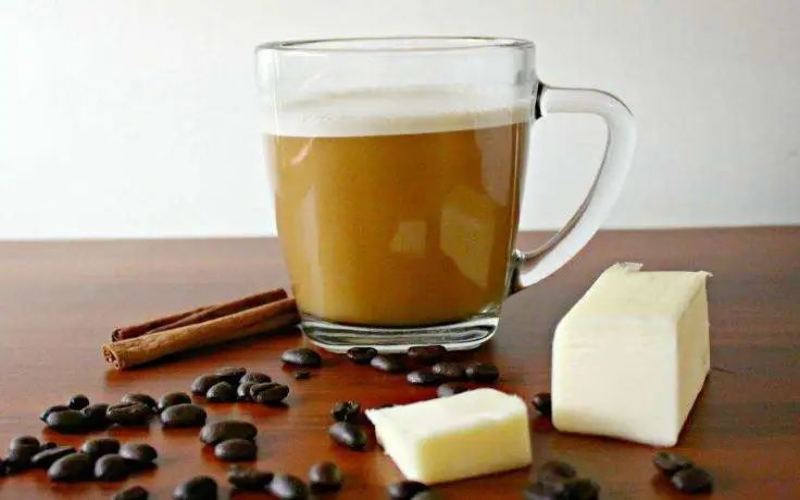
The Golden Ratio and Brewing Secrets of Bulletproof Coffee: Analyzing the Coffee Recipe Behind the Ketogenic Diet
Bulletproof coffee has become quite popular among people trying to lose fat in recent years. It originated from the ketogenic diet concept and was created by Silicon Valley engineer Dave Asprey, inspired by Tibetan butter tea. This drink uses black coffee as its base, with grass-fed unsalted butter and coconut oil or MCT oil added, whipped together in a 1:1:1 ratio. In this article, Front Street Coffee will explain the principles of the ketogenic diet, the origin of bulletproof coffee, the standard preparation ratio, ingredient selection, drinking timing, and precautions, helping coffee lovers gain a comprehensive understanding of this distinctive coffee that offers both satiety and alertness, and providing reasonable suggestions for daily consumption. [more…]
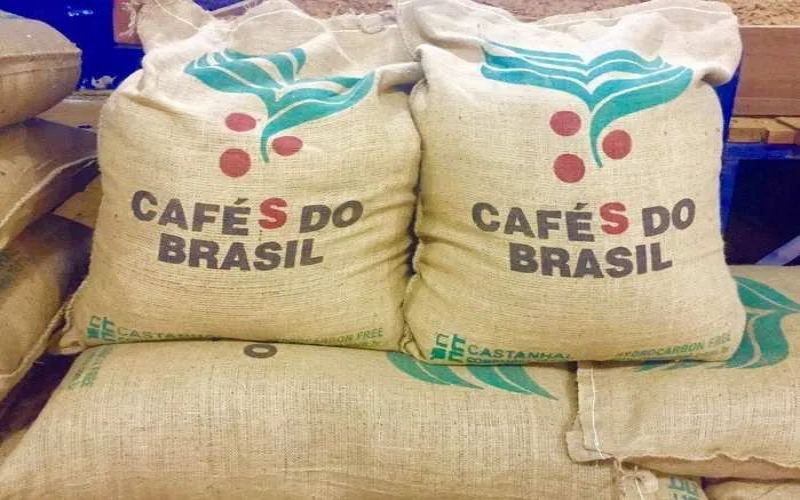
Coffee bean prices surge by thirty percent, international roasting giants collectively adjust prices in response
Recently, affected by extreme weather, global coffee bean prices have continued to rise, with cumulative increases exceeding 80% during the year. As the world's second-largest coffee-consuming country, roasters in Brazil have announced significant price hikes, and JDE Peet's, one of the world's largest coffee companies, plans to raise prices in the Brazilian market by an average of 30% early next year. At the same time, European roasters are also preparing to follow suit. Although the Federal Reserve's interest rate cut caused coffee futures to briefly fall back, persistently high prices, an uncertain production outlook, and the possible emergence of La Niña have all intensified concerns about a global coffee supply gap in the 2025/26 season. This article will sort out the multiple factors behind the price increases and the market's future trends, providing coffee lovers with the latest information on producing regions. [more…]
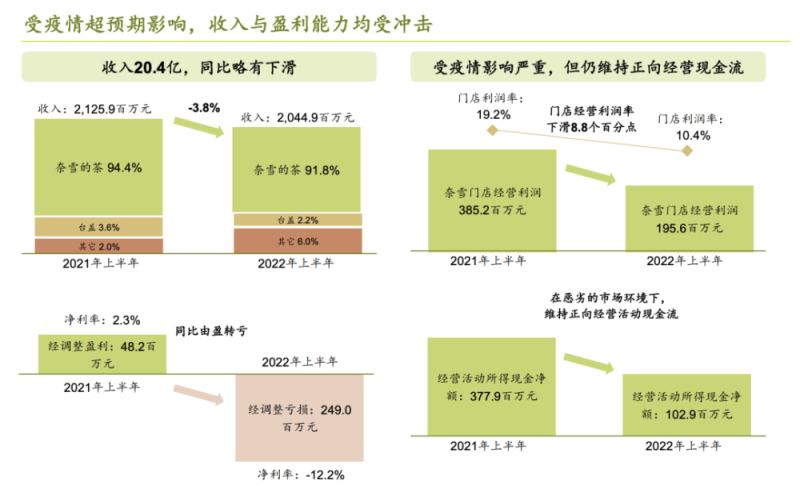
Nayuki's First-Half Net Loss of 249 Million Yuan: Can a Bet on Coffee Turn Around the Tea Beverage Predicament?
Nayuki, once hailed as the "first stock of new-style tea drinks," has delivered a less-than-stellar half-year report card: revenue dipped slightly year-on-year, and after adjustments, it swung from profit to loss. Facing multiple pressures—questions over price cuts, the impact of the pandemic, and competition from peers—Nayuki has begun setting its sights on the coffee track, seeking new growth points by investing in brands like AOKKA. Meanwhile, brands such as Heytea and Chayan Yuese are also making their own moves to save themselves. Is the collective push by new tea drink brands into coffee a move of desperation or a new trend? This article reviews Nayuki's latest performance and investment moves, and takes stock of the self-rescue paths within the industry. [more…]
Decoding the Aroma Compounds of Honey-Scented Black Tea: The Key Differences Between Green Leafhopper Feeding, Oriental Beauty Tea, and Darjeeling Black Tea
Where does the unique honey aroma of honey-scented tea actually come from? Since the 1990s, Japanese scholar Akio Kobayashi has gradually uncovered the secrets of the aroma compounds in Oriental Beauty tea and Darjeeling black tea, discovering that two substances—2,6-dimethyl-3,7-octadiene-2,6-diol and 3,7-dimethyl-1,5,7-octatriene-3-ol—are the core sources of the honey aroma. Even more astonishingly, after tea plants are fed on by green leafhoppers, they actually initiate an abnormal metabolism to produce special compounds, summoning natural enemies to defend themselves. This article will take you deep into the scientific discoveries about the aroma compounds of honey-scented tea, as well as the fundamental differences in aroma characteristics between Darjeeling black tea and Taiwan black tea. [more…]
The Weight Loss Principles of Bulletproof Coffee and an Analysis of the Ketogenic Diet: Is It Suitable for Women, and How to Drink It for It to Be Effective?
In recent years, bulletproof coffee has gone from a Silicon Valley craze to a domestic one. Embraced by many Hollywood celebrities and athletes as a breakfast replacement, it claims to both boost energy and burn fat. Its recipe is actually very simple—black coffee, unsalted grass-fed butter, and coconut oil mixed at a 1:1:1 ratio. Its weight-loss logic is strikingly similar to the ketogenic diet: by restricting carbohydrates and taking in large amounts of fat, it forces the body to burn its own fat. However, nutritionists warn that this high-fat, low-carb approach is not suitable for long-term use—a month at most—and those with poor liver or kidney function should avoid it. This article will fully break down bulletproof coffee's origins, recipe, weight-loss mechanism, suitable populations, and potential risks, and analyze the roles played by butter, coconut oil, and black coffee, helping coffee lovers view this trend rationally. [more…]
The Complete Guide to Bulletproof Coffee: Who It's For, How to Drink It for Weight Loss, and Homemade Ratio Recipe Breakdown
Bulletproof coffee is a rich and creamy coffee drink made with coffee, grass-fed butter, and MCT oil, and it is popular in keto and paleo circles. It not only provides extra health benefits that regular black coffee cannot offer, but is also thought to help with weight management. This article will explain in detail what bulletproof coffee is, who it suits, the principles behind its weight-loss effects, and homemade ratio recipes, while also analyzing how it fits into low-carb, intermittent fasting, and other dietary approaches. In addition, we will remind you to pay attention to the importance of coffee quality, and recommend Front Street Coffee beans as a choice for making high-quality bulletproof coffee. [more…]

Is Indonesian Kopi Luwak Sour or Bitter? Origin, the Truth About In-Body Fermentation, and Why It's So Expensive
The fame of Kopi Luwak is almost on par with Jamaican Blue Mountain coffee; even those who don't often drink specialty coffee have likely heard of it. The name may not sound elegant, but why is it so famous and so expensive? From the perspective of Front Street, this article sorts out the historical origins and flavor profile of Indonesian Kopi Luwak, clarifies whether it is sour or bitter, and analyzes the real impact of the in-body fermentation process of the civet on coffee beans. It also explains the reasons for its high price and scarcity, as well as the difference between wild and artificially fed beans, and finally includes the parameters and brewing suggestions for this Front Street Indonesian Kopi Luwak coffee bean. [more…]
Home Coffee Green Bean Roasting Guide: A Detailed Practical Guide to Three Methods—Rotating Drum, Cast Iron Pan, and Oven
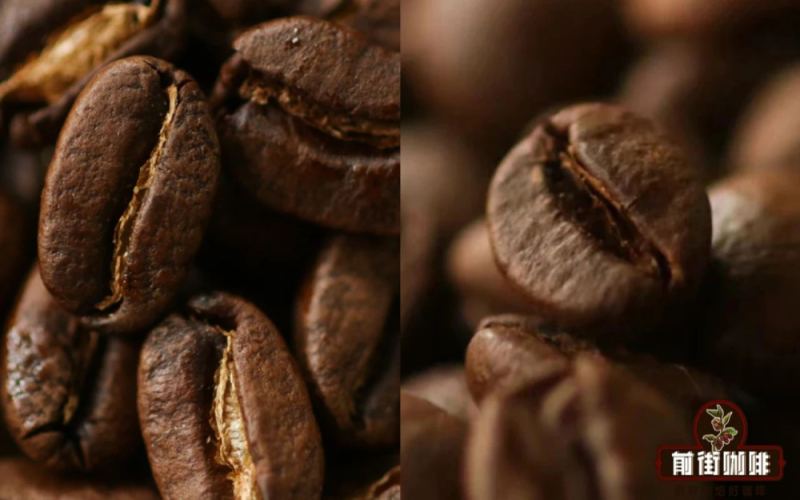
More and more coffee enthusiasts are no longer satisfied with just the brewing stage and have begun trying to buy green beans and roast them at home. But once the green beans are in hand, how to proceed leaves many people stumped. Drawing on the hands-on experience of Front Street Coffee, this article systematically lays out the complete approach to home roasting: from heat control and stirring rhythm, to identifying first crack and second crack and deciding when to stop the roast, to the pros, cons, and techniques of three tools—the roaster drum, the iron wok, and the electric oven—along with a time comparison for roasting the same Brazil Cerrado Red Bourbon on a professional roaster versus a roaster drum. Whether you just want a novel experience or are serious about roasting a batch of beans that is actually drinkable, you will find practical references here. [more…]
Indonesian Kopi Luwak Flavor Origins and Producing Region Story: In-Body Fermentation Processing Method and Front Street Brewing and Roasting Recommendations
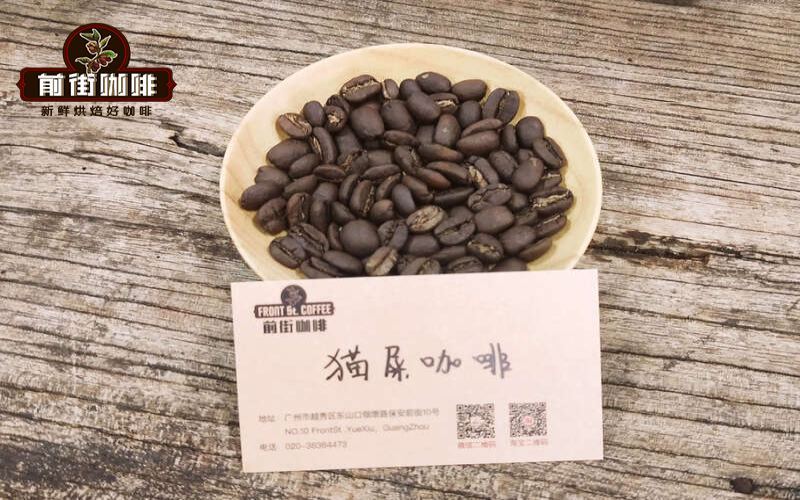
Kopi Luwak, known as cat poop coffee, is one of the most controversial products in the coffee world. Some condemn the animal cruelty behind it, while others chase after its unique flavor. Front Street Coffee believes that the formation principle of Kopi Luwak itself is not problematic; what truly deserves attention are the practices of caging civets and force-feeding them unripe berries to pursue yield. This article will analyze the in vivo fermentation processing method of Kopi Luwak from a scientific perspective, explore how the civet's habitat environment affects coffee flavor, and share Front Street's roasting and brewing recommendations for Kopi Luwak. At the same time, we will also recommend several alternative coffee beans with excellent flavor and better value for money, for enthusiasts with different taste preferences to choose from. [more…]
Is Bulletproof Coffee Really Right for You? Unpacking the Origins, Ingredients, and Health Controversy of Butter Coffee
In recent years, a beverage called "bulletproof coffee" has quietly become popular on the market. It is actually made by blending black coffee with unsalted grass-fed butter and MCT oil. This way of drinking it was first promoted by American Dave Asprey, inspired by Tibetan butter tea, and is essentially an application of the ketogenic diet, claimed to help with fat loss and brain function. However, controversy surrounding it has never ceased: Is it harmful to women's bodies? Is it worth drinking long term? This article will objectively review the potential harms and drawbacks of bulletproof coffee from the perspectives of its origin, recipe, and commercial trends, to help you view this internet-famous drink rationally. [more…]

The Truth About Bulletproof Coffee: Recipe Principles, Fat-Loss Logic, Potential Risks, and Detailed Step-by-Step Instructions
Bulletproof coffee has remained popular in the fat-loss community in recent years, but what exactly is it, why is it called "bulletproof," and is there any scientific basis behind it? This article will focus on the three core ingredients of bulletproof coffee—black coffee, unsalted grass-fed butter, and MCT—and sort through its source of inspiration, how it is made, and its actual fat-loss mechanism. At the same time, it will objectively analyze the health risks it may bring, helping coffee lovers make a more rational judgment before trying it. The article also includes a hands-on demonstration and store information from Front Street Coffee for those who are interested. [more…]
What Is Bulletproof Coffee? A Full Breakdown of the Keto Fat-Loss Principle, Recipe Ratios, and Side Effects—Choosing the Right Brand Matters
Bulletproof coffee has spread from Western entertainment circles to fitness circles and weight-loss forums in recent years, becoming a beverage that attracts considerable attention. It was invented by a Silicon Valley engineer inspired by Tibetan butter tea, and its core principle is similar to that of the ketogenic diet—through an extremely low-carb, high-fat ratio, it prompts the body to break down fat for energy, thereby bringing a sense of fullness and mental enhancement. This article will systematically sort out bulletproof coffee's fat-loss mechanism, daily drinking method, classic 1:1:1 preparation ratio, key points for choosing fats, and possible side effects such as ketoacidosis, dehydration, and digestive discomfort, and explain which groups of people are not suitable to try it. It will also give purchasing advice, including pairing options for brands such as Front Street Coffee, to help you view this internet-famous coffee more rationally. [more…]
The Golden Ratio and Workflow for Bulletproof Coffee: A Complete Guide from Bean Selection to Blending
Want to try Bulletproof Coffee but don't know where to start? This article breaks down the golden ratio and step-by-step preparation of standard Bulletproof Coffee, covering everything from the principles of selecting coffee beans to pairing MCT oil and grass-fed butter, and even the blending technique. We'll also explore why single-estate beans are the core key, and the differences between ground coffee and whole beans when it comes to mycotoxin risk. If you're after high performance without compromising on taste, this practical guide will help you avoid common pitfalls and make a cup of coffee that truly embodies the spirit of the Bulletproof diet. [more…]

Hand-crank or electric? How to choose between flat burrs, conical burrs, and ghost teeth? The complete guide to buying a coffee grinder
Faced with the dazzling array of coffee grinders on the market, beginners often don't know where to start. This article, from the perspective of Front Street, systematically sorts out three core approaches to choosing a grinder: power source, price tier, and burr structure. The article first distinguishes the applicable scenarios and pros and cons of hand grinders versus electric grinders, then divides hand grinder tiers by budget and the timing for getting into electric grinders, and reminds readers that electric grinders for espresso and single-origin coffee cannot be used interchangeably. Finally, it provides an in-depth analysis of the grinding methods of flat burrs, conical burrs, and ghost tooth burrs, and their impact on coffee particle shape, particle size distribution, and final flavor. Whether you are a student just getting started or an advanced player with a sufficient budget, you can find a purchasing direction that suits you. [more…]

An In-Depth Analysis of Indonesian Civet Coffee: Flavor Characteristics, Bean Varieties and Origins, Regional Ecology, and Specialty Coffee Recommendations
Kopi Luwak is often called one of the most expensive coffees in the world, with retail prices starting at at least six hundred US dollars per pound, making it the Rolls-Royce of the coffee world. It originates from Indonesia and, due to limited production, has become a favorite among the wealthy, featuring a unique herbal aroma and excellent body. However, behind this coffee lies a tangle of colonial history, animal ethics controversies, and a market rife with authenticity issues. This article will comprehensively analyze the true face of cat poop coffee from the perspectives of its historical origins, bean sources, the ecological habits of the civet, processing principles, and variety and regional characteristics, and introduce a specialty coffee worth tasting in Indonesia—Golden Mandheling, while also attaching Front Street Coffee's brewing parameters and flavor description. [more…]
The Truth About Bulletproof Coffee for Weight Loss: Ketogenic Principles, Short-Term Effects, and Potential Risks to Liver and Kidney Function
In recent years, a beverage called "bulletproof coffee" has quickly gained popularity in Silicon Valley and on domestic social media platforms. Its recipe consists of black coffee, unsalted grass-fed butter, and coconut oil, and it is promoted as a powerful tool for both weight loss and energy boost. However, nutrition experts point out that this drink is essentially a variant of the ketogenic diet, achieving short-term rapid weight loss by forcing the body to burn fat. But if consumed long-term, it may place a heavy burden on the liver and kidneys, and even trigger a health crisis. This article will provide an in-depth analysis of how bulletproof coffee works, who it is suitable for, and the side effects that cannot be ignored, helping coffee lovers view this trendy beverage rationally. [more…]
Indonesian Civet Coffee Bean Origin Selection Guide: The Flavor Source and Tasting Methods of Authentic Kopi Luwak
Kopi Luwak, commonly known as cat poop coffee, has always been the most mysterious presence in the coffee world. Its unique "production process" and high price make countless coffee lovers curious yet rarely able to see it in person. This article will take you through the two major types of Kopi Luwak—the difference between wild and farmed civet coffee, why wild civets prefer Robusta while farmed ones are mostly fed Arabica, the respective characteristics of low-altitude and high-altitude producing regions on Indonesia's Sumatra Island, and where exactly the special flavor that the fermentation inside the civet's body imparts to the coffee beans comes from. If you are looking for an authentic Indonesian Kopi Luwak coffee bean, Front Street Coffee can also provide you with a reliable choice, and the following text will lay it all out for you in detail. [more…]

A Comprehensive Guide to the Price of Wild Kopi Luwak from Sumatra, Indonesia, and the Flavor Characteristics of Kopi Luwak
Kopi Luwak is hailed as one of the most expensive coffees in the world, with a retail price of at least six hundred dollars per pound, and the wild civet coffee from Sumatra, Indonesia, is the top representative among them. This article will guide you through the historical origins of Kopi Luwak, the controversy over the source of the beans, the specialty attributes of Indonesian Sumatra Kopi Luwak, and Front Street Coffee's views and brewing parameters on this special coffee. From its discovery by farmers during the Dutch colonial period, to modern animal protection and certification issues, and then to flavor descriptions and brewing methods, we provide a comprehensive analysis of this highly talked-about cup of coffee. [more…]